
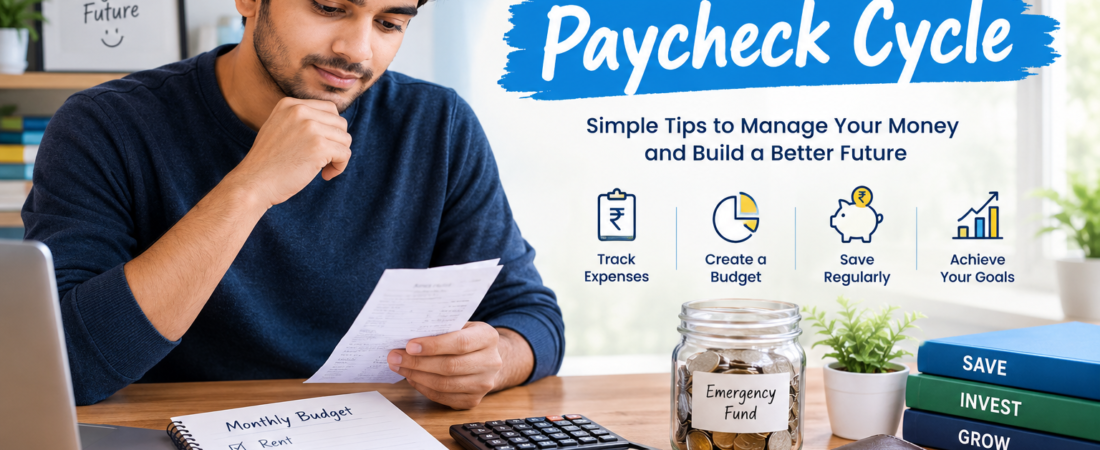
Many people work hard, earn a regular income, and still find themselves struggling before the end of the month. Their salary arrives, bills get paid, groceries are purchased, and a few unexpected expenses appear. Before they realise it, most of their money is gone.
If this sounds familiar, you are not alone. Living paycheck to paycheck is a common financial challenge. The good news is that you can start improving your situation with small, realistic changes. You do not necessarily need a high income to manage your money better. You need a clear understanding of where your money goes and a plan that works for your life.
In this article, we will look at practical ways to break the paycheck-to-paycheck cycle and build a more stable financial future.
1. Understand Where Your Money Goes
Before making changes, take a close look at your spending habits.
Many people know their monthly income but cannot explain exactly where it goes. Small purchases, food deliveries, subscriptions, and impulse shopping may not seem expensive individually, but together they can consume a large part of your budget.
Start by tracking your expenses for 30 days. Write down everything you spend, including rent, groceries, transport, bills, entertainment, and small daily purchases.
You can use a notebook, a spreadsheet, or a budgeting app. The method does not matter as much as being consistent.
Once you have a clear picture of your spending, it becomes easier to identify areas where you can make changes.
2. Create a Realistic Monthly Budget
A budget is not about stopping yourself from enjoying life. It is about deciding how to use your money before it disappears.
Start with your monthly take-home income. Subtract essential expenses such as housing, food, electricity, transport, and loan payments. Then decide how much you can spend on personal needs, savings, and entertainment.
You can try the 50/30/20 budgeting rule as a starting point:
- 50% for needs: Housing, groceries, utilities, and essential transport.
- 30% for wants: Entertainment, shopping, eating out, and hobbies.
- 20% for savings and debt repayment: Emergency savings and paying down high-interest debt.
These percentages are guidelines, not strict rules. If your essential expenses are high, adjust the categories according to your situation.
The most important thing is to create a budget that you can realistically follow every month.
3. Start Saving Before You Spend
One common mistake is waiting until the end of the month to save money. Unfortunately, there is often very little left by then.
Instead, try saving a small amount as soon as you receive your income. Even if you can initially save only a small percentage, developing the habit is valuable.
For example, if your monthly income is ₹20,000, you could begin by setting aside ₹500 or ₹1,000. As your financial situation improves, gradually increase the amount.
If possible, transfer this money into a separate savings account so you are less tempted to spend it.
Remember, the goal is not to save a large amount immediately. The goal is to make saving a regular part of your financial routine.
4. Build an Emergency Fund
Unexpected expenses can quickly destroy a carefully planned budget. A medical bill, urgent home repair, or temporary loss of income can force you to borrow money.
This is where an emergency fund becomes useful.
Start with a small target, such as ₹5,000 or ₹10,000, depending on what is realistic for your income and circumstances. After reaching that amount, work towards saving enough to cover three to six months of essential living expenses.
Keep this money somewhere safe and accessible rather than investing it in assets that may fluctuate in value.
You do not have to build the entire fund in one month. Consistent contributions can gradually create a financial cushion.
5. Reduce Expenses Without Making Life Miserable
Cutting expenses does not mean removing every enjoyable thing from your life. It means spending more carefully on things that matter to you.
Look for expenses that provide little value in return. You might discover subscriptions you rarely use, frequent food deliveries, or shopping purchases you could easily avoid.
Here are a few practical ideas:
- Prepare meals at home more often.
- Compare prices before buying regularly used products.
- Cancel unused subscriptions.
- Make a shopping list before visiting a store.
- Wait 24 hours before making non-essential purchases.
- Review your phone, internet, and other recurring bills.
You do not need to follow every suggestion. Choose two or three changes that feel manageable and see how much you can save over a month.
6. Be Careful With Credit Cards and Loans
Borrowing can make it easier to handle a purchase today, but repayments can reduce the money available for future expenses.
Credit cards are particularly risky when you regularly spend more than you can repay. Interest and additional charges can make the original purchase much more expensive.
Try to avoid borrowing for unnecessary purchases. If you already have high-interest debt, review your balances, interest rates, and minimum payments. After covering essential expenses and required payments, direct extra money towards the debt that costs you the most interest, while maintaining a small emergency reserve where possible.
If your debt payments are already difficult to manage, consider contacting your lender to discuss available repayment options.
7. Look for Ways to Increase Your Income
Sometimes the problem is not excessive spending. Your income may simply be too low to cover essential expenses comfortably.
In that situation, cutting costs alone may not be enough.
Depending on your skills, available time, and circumstances, you could explore freelance work, tutoring, part-time employment, selling products, or developing a skill that may improve your earning potential.
Be cautious about online opportunities that promise guaranteed profits or ask you to pay large fees upfront. Research an opportunity carefully before investing your time or money.
Even a modest increase in monthly income can make it easier to pay bills, reduce debt, and build savings.
8. Plan Your Money Around Payday
If you receive your salary once a month, divide your spending plan into weekly amounts.
For example, after setting aside money for fixed bills and savings, calculate how much remains for groceries, transport, and other flexible expenses. Divide that amount across the weeks until your next payday.
This approach helps you notice overspending earlier rather than discovering the problem at the end of the month.
You can also set calendar reminders for bill payments and review your bank balance regularly.
A simple weekly money check-in of just ten minutes can help you stay on track.
9. Set Small and Achievable Financial Goals
Financial improvement becomes easier when you know what you are working towards.
Instead of setting a vague goal such as “I want to save more money,” choose a specific target.
For example:
- Save ₹5,000 for unexpected expenses.
- Pay an additional ₹500 towards a high-interest debt each month.
- Reduce unnecessary spending by ₹1,000.
- Save a fixed amount every payday.
Choose one goal first. Once it becomes part of your routine, move on to the next.
Small achievements may not look impressive at first, but they can build confidence and encourage better financial habits over time.
Conclusion
Breaking the paycheck-to-paycheck cycle does not happen overnight. It takes time, patience, and a willingness to look honestly at your financial habits.
Start by tracking your expenses, creating a realistic budget, and saving a small amount whenever you receive your income. Work on reducing unnecessary spending, managing debt, and preparing for unexpected expenses.
If your income barely covers your essential needs, remember that budgeting has limits. You may also need to explore ways to increase your income or seek appropriate financial support.
You do not have to change everything at once. Begin with one practical step today and build from there. Over time, consistent decisions can help you gain more control over your money and feel less stressed about the next payday.
Frequently Asked Questions (FAQs)
1. What does living paycheck to paycheck mean?
It means using most or all of your income to cover expenses before receiving your next paycheck, often leaving little or nothing for savings.
2. How can I stop living paycheck to paycheck on a low income?
Start by tracking essential expenses, prioritising bills, avoiding unnecessary borrowing, and saving even a small amount when possible. If your essential costs exceed your income, explore realistic ways to increase earnings or access financial assistance.
3. How much money should I save every month?
The right amount depends on your income and expenses. You can begin with a small fixed amount and gradually increase it. A common long-term target is to build an emergency fund covering three to six months of essential expenses.
4. Should I pay off debt or save money first?
Try to maintain some accessible emergency savings while making required debt payments. After that, paying down high-interest debt is often a sensible priority, because interest can make borrowing more expensive.
5. What is the easiest way to manage monthly expenses?
Track your spending, prepare a simple budget, plan purchases in advance, and review your expenses weekly. These habits help you identify problems before the end of the month.
Disclaimer: This article is for educational purposes only and should not be considered personalised financial advice.