
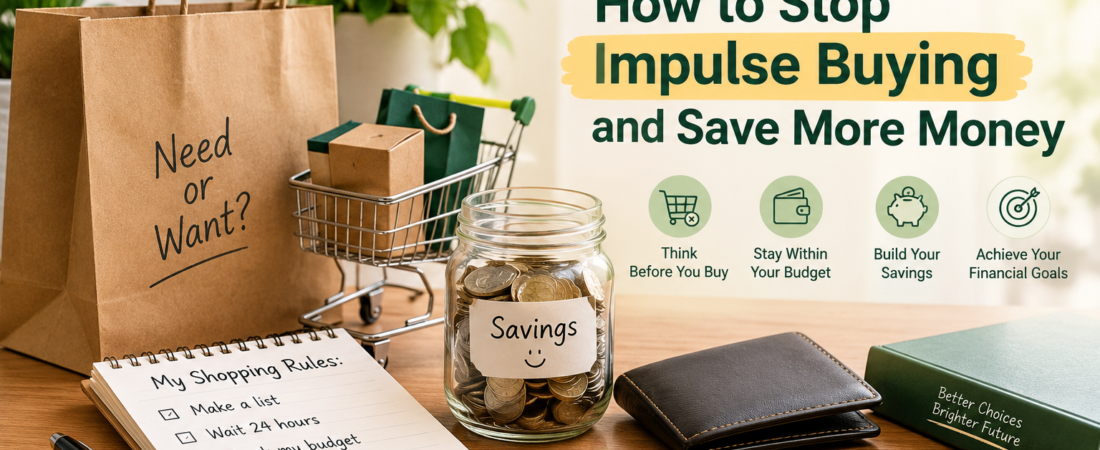
How to Stop Impulse Buying and Actually Save Money
Ever gone to the store for one thing and left with way more than you planned? Or maybe you hit “Buy Now” online just because there was a sale? You’re definitely not alone—impulse buying catches a lot of us, and before you know it, your wallet feels thinner.
Impulse buying is really just grabbing something you didn’t expect to. Maybe you’re bored, or in a good mood, or a flashy discount pops up. It feels harmless at first, but if you do it often, your savings start to take a hit.
The good news? You don’t have to cut out shopping completely. Honestly, it’s more about figuring out why you buy stuff and coming up with a few tricks to get yourself back on track.
So, What’s Impulse Buying?
It’s when you buy something on a whim, without thinking it through. Picture this: you log onto a shopping site, planning to grab some shoes—but next thing you know, your cart is packed with random clothes and accessories. It’s kind of fun until the bill arrives and you ask yourself, “Did I really need any of that?”
Why Do We Do It?
A few reasons pop up.
- Discounts and Deals
Sales and flash offers make us feel like we’re winning. Who doesn’t love a bargain? But honestly, buying something you didn’t even want just ’cause it’s cheaper isn’t saving—it’s just spending. - Social Media FOMO
You’re scrolling Instagram and there’s someone showing off the latest must-have gadget or cool new outfit. Suddenly you think, “I need that!” Pause for a second—do you actually want it, or did you just get swept up in the hype? - Emotional Shopping
Sometimes you shop when you’re bored or stressed or just feel down. Picking up something new can boost your mood for a bit, but it doesn’t fix what’s really bugging you. Try other ways to feel better—blast your favorite song, call a friend, or head out for a walk.
How to Stop Impulse Buying: 7 Real-Life Tips
- Try the 24-Hour Rule
Thinking about buying something that wasn’t on your list? Wait 24 hours. If it’s expensive, wait a few days. If you still want it, go for it. Most times, though, the urge fades. - Stick to a Shopping List
Before you go to the store or start browsing online, write your list. Use it—don’t let extras sneak their way in. It helps you stay focused and keeps impulse buys out. - Set a Monthly Limit
Set aside how much you can spend on extras—maybe ₹1,500 a month if that works for you. Hit the limit? No more shopping until next month. Make sure you’re still covering essentials, savings, and any debts first. - Block Out Temptations
Those endless notifications from shopping apps and promo emails—turn them off or unsubscribe. Out of sight, out of mind. - Think in Hours, Not Rupees
Before you buy, ask yourself how many hours you worked for the price. If something costs ₹2,000 and you earn ₹250 an hour, that’s eight hours of your life. Still worth it? Sometimes the answer is yes, but a lot of times, not really. - Track Every Tiny Purchase
Keep a log of every unplanned buy for a month—even little things like snacks or coffees. Add it up at the end. You might be shocked at how all those “small” buys stack up. - Give Your Savings a Purpose
Saving gets easier when you know what it’s for—a trip, a new laptop, even just an emergency fund. When you feel like splurging, remember your goal. If you want to go all-in, transfer some cash to your savings account as soon as you get paid.
How Much Can You Actually Save?
Let’s say you drop ₹100 each day on random stuff. That’s almost ₹3,000 a month. Cut that in half and you’re saving ₹1,500 more every month. Over a year, that adds up to ₹18,000—just from holding back a little.
Everybody’s numbers are different, but small changes really add up.
Impulse Buying vs. Smart Spending
Impulse buying is kind of like chasing a sugar rush—quick, exciting, and gone before you know it. Smart spending is making choices that fit your budget and your bigger plans. You can totally treat yourself. The trick is to plan ahead and avoid spending just for the thrill.
It’s not about guilt or beating yourself up. It’s about lining your spending up with what actually matters to you.
Final Thoughts
Impulse buys make managing your money harder, but you don’t need to overhaul everything overnight. Start small—wait before buying, make a list, set a budget, and log what you spend. Tiny habits can boost your savings and your confidence way more than you’d think.
Best buys aren’t always the cheapest—they’re the ones that fit your life and your goals.
FAQs
- What’s the easiest way to stop impulse buying?
Try waiting a day before buying anything you don’t absolutely need. It gives you time to think if you really want it. - Why do I keep buying stuff I don’t need?
It’s usually deals, social media hype, boredom, or stress. If you figure out your main triggers, you’ll find it easier to break the habit. - Does impulse buying ruin your savings?
Yes—regular unplanned spending cuts into money you could use for emergencies, bigger purchases, or your future. - How do I stop impulse buying online?
Delete saved payment info so you can’t check out super fast, turn off shopping app alerts, and avoid browsing just for the fun of it. Wait before you buy anything non-essential. - Is it bad to spend money on stuff you enjoy?
Nope. Using your money for fun is part of living. Just make sure your spending fits your budget and doesn’t mess with your bigger goals.