
How to Create a Monthly Budget: A Simple Guide for Beginners
If you’ve ever stared at your bank account, scratching your head and wondering, “Where did all my money go?”—you’re in good company. You think you’re earning enough to get by, but somehow, the end of the month comes and there’s barely anything left. This is exactly why you need a budget.
A budget isn’t some complicated spreadsheet reserved for accountants or math geniuses. It’s just a plan for your cash—simple as that. It shows you what’s coming in, what’s going out, and where you might be able to save a little. You don’t have to chase perfection either. Honestly, a messy budget you actually use is way better than the “perfect” one you never look at again.
So, let’s make this as painless as possible. Here’s how you can set up a no-nonsense monthly budget.
What’s a Monthly Budget, Anyway?
A monthly budget is just a map: all the money you expect to get and where it’s headed. Say you take home $2,500 each month. That pile of cash has a job to do—cover rent, food, bills, getting around, fun stuff, savings, debts, you name it.
Everyone’s budget looks a little different, and that’s fine. What really counts is knowing where your own money is actually going.
Why Should You Bother Budgeting?
Lots of people skip budgeting because it just sounds like a bunch of “no’s”—as if you’re not allowed to buy coffee, go out, or have fun anymore. But truthfully, the point is to put you firmly in charge, not to punish yourself.
Here’s why it’s worth your time:
- You See Where Your Money Really Goes
Money slips away fast. One coffee here, a streaming service there, and poof—your “extra” money is gone. Keeping track helps you catch those habits before they eat up your paycheck.
- Saving Becomes Way Easier
If you know how much you want to save before the month kicks off, you’re a lot more likely to actually do it. Treat your savings like a fixed bill.
- Staying Out of Debt Gets Simpler
When you know how much you’re spending, you can spot when you’re about to overshoot your income. That means you’re less likely to end up swiping the credit card just to cover daily stuff.
- Your Goals Start Feeling Real
Whether you’re building up savings, getting ready to buy a car, paying off debt, or saving for a trip, a good budget makes your goals part of your monthly routine—not just dreams.
How to Create a Monthly Budget, One Step at a Time
You don’t need a finance degree. Just start with these easy steps:
Step 1: Figure Out What You Actually Earn
Add up your take-home pay—your main job, side hustles, or any regular money you count on. If your income isn’t steady, average it out over a few months and give yourself a lowball number so you don’t overcommit.
Step 2: List Your Fixed Bills
These are your “must pays”—the ones that don’t change much. Think rent, loan payments, insurance, your basic phone or internet bills, and subscriptions. List them all out with their usual amounts.
Step 3: Write Down Variable Expenses
Now look at the stuff that changes: groceries, gas, eating out, utilities, shopping, haircuts, random fun. Check your bank statements if you can’t remember where your money went last month. Don’t stress about getting it perfect—ballpark it for now.
Step 4: Set a Savings Target
Pick a number for savings, even if it’s small. Maybe you want to stash $250 a month, maybe $50. The point is to start—and stick with it, no matter what.
Step 5: Sort Needs vs. Wants
Go down your expenses and label them “needs” (things you can’t skip, like rent, food, utilities, medicine, transportation) and “wants” (stuff you enjoy but could cut back—nights out, shopping, new gadgets, extra subscriptions). No one’s saying you have to give up every treat, but know the difference.
Step 6: Set Limits for Each Category
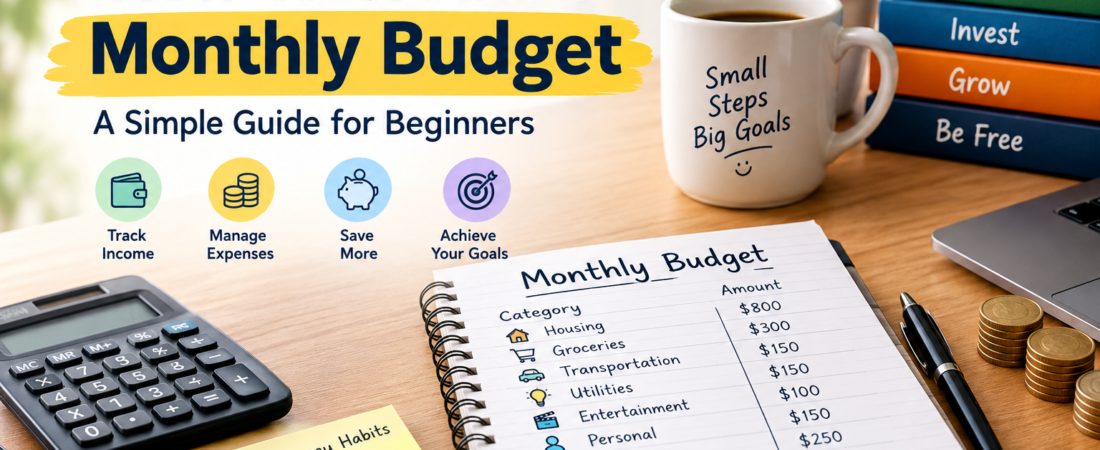
Now, give yourself a budget for each category: housing, groceries, transportation, utilities, fun stuff, savings, whatever else you’ve got.
Example:
Housing: $800
Groceries: $300
Transportation: $150
Utilities: $150
Entertainment: $100
Personal expenses: $150
Savings: $250
Other: $200
Don’t just copy these numbers—make yours work for your own life and priorities.
Step 7: Tally Up and Check the Math
Subtract your total expenses from your income. What’s left? If you’ve got money to spare, you can throw more at savings or pay off some debt. If you’re over budget, look for things you can trim—maybe you eat out less or cut a subscription (do you even watch that streaming service?).
Step 8: Track Your Spending
Don’t set it and forget it. Write spending down in a notebook, on a spreadsheet, or use an app—whatever works for you. Check in once or twice a week to keep things on track.
Step 9: Review and Adjust
At the end of the month, see how you did. Where did things go off track? Did you save what you wanted? Did anything surprise you? Adjust for next month and keep going. It’s not about being perfect—it’s about getting better.
One Simple Rule if You’re Overwhelmed
Try the 50/30/20 rule:
50% for needs
30% for wants
20% for savings and debt
This isn’t written in stone. If your rent is half your paycheck, adjust the other categories. The goal is sticking with it, not following someone else’s rules.
What If Your Income’s All Over the Place?
If your income bounces up and down—like you’re freelancing or hourly—base your budget on a low month. When you make extra, put it in savings or towards debt.
Common Pitfalls—and How to Avoid Them
Trying to Make It Perfect
Nobody needs a “perfect” budget—just one that works for real life.
Forgetting Little Stuff
Small expenses add up. Include snacks, coffee, apps—everything.
Not Planning for Surprises
Something always pops up—car repairs, presents, sudden doctor visits. Leave wiggle room.
Ignoring Your Budget
Making the plan means nothing if you never look at it again. Build a habit: check in often.
Cutting All the Fun
If your budget feels like punishment, you’ll drop it. Make room for things you actually enjoy.
That’s it. Start simple, stick with it, and adjust as you go—your bank account will thank you.