
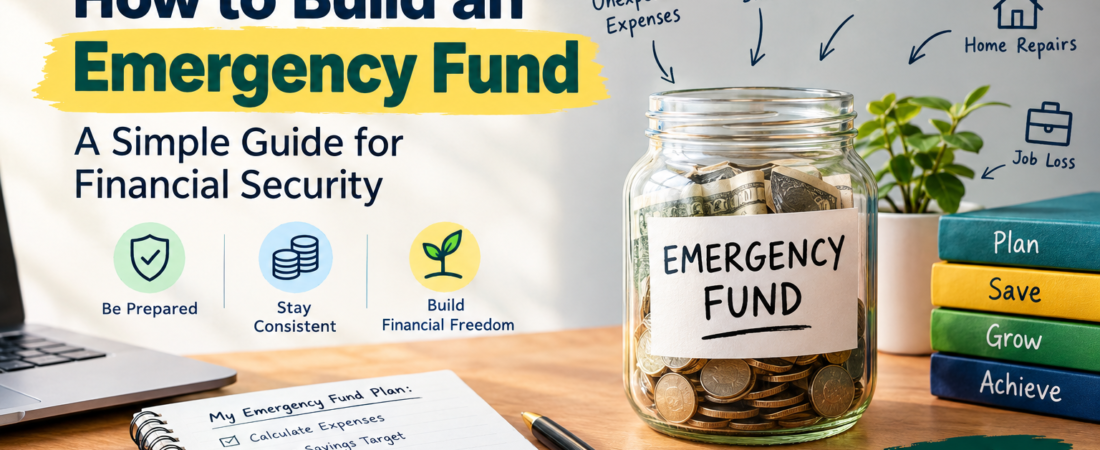
Life’s good at keeping us on our toes. One day your car’s purring along, the next you’re staring at a repair bill with a feeling of dread. Medical bills you didn’t see coming. Paychecks that suddenly shrink. When you don’t have money set aside, it all hits a little harder.
That’s why you need an emergency fund. It’s not just another savings account—think of it as your financial safety net, a stash of cash for moments when things go sideways. Instead of loading up your credit card or asking for a loan, you use your own money. Feels way better, doesn’t it?
The trick isn’t to dump thousands in overnight. You just start where you’re at and build from there.
What Is an Emergency Fund, Really?
It’s not just extra money sitting around. This is your “don’t touch unless it’s serious” pile. Real emergencies look like:
- Medical bills you didn’t plan for
- Car or home repairs that can’t wait
- Being laid off or getting your hours cut
- Family crises that suddenly need you there
- Covering bills if the money runs out
What doesn’t count? Shopping sprees, vacations, or anything you saw coming ahead of time.
It’s smart to keep your emergency fund completely separate from your everyday cash—out of sight, out of mind, less temptation to spend it on stuff you don’t genuinely need.
Why Even Bother With an Emergency Fund?
No emergency fund means even small surprises can turn into big money problems. Without cash handy, you end up on a debt hamster wheel, paying extra in fees and interest.
With that fund in place, you get options. No frantic borrowing. No spiraling debt. Most important: You sleep easier knowing you’re ready for the unexpected.
How Much Should You Actually Save?
There’s no magic number, but most people aim for three to six months of basic expenses. If you spend $1,500 a month on rent, groceries, and bills, your target would be somewhere between $4,500 and $9,000.
Don’t let those numbers scare you. You don’t have to save it all at once.
Start Small and Keep Going
If “six months’ expenses” sounds impossible, just focus on hitting smaller milestones—like $100, then $500, then $1,000. Celebrate when you reach each step. Adjust your goal as life changes, and don’t lose momentum. Even having $100 is better than nothing when trouble shows up.
Step 1: List Out Must-Have Expenses
First, figure out what you absolutely need to pay for each month. Stuff like:
- Rent or mortgage
- Groceries
- Utilities (heat, water, electricity)
- Insurance
- Loan payments
- Any regular, unavoidable bills
Separate true needs from the extras. Skip the fancy coffees or new sneakers for now.
Step 2: Set a Realistic Savings Goal
Once you know your basics, set your target. If you can get by on $2,000 a month, aim for $6,000 to $12,000 eventually. But don’t freeze up. If you only manage $500 this year, that’s a win.
Step 3: Save a Consistent Amount Each Month
Look at what you earn versus what you spend. Maybe you can spare $200 a month. Set that money aside, and in a year you’ve got $2,400. Got a tax refund or a work bonus? Throw a chunk in your fund too. Staying consistent matters way more than being perfect.
Step 4: Automate Your Savings
Make it automatic—schedule a transfer every payday so you’re not relying on willpower.
Step 5: Keep It in a Separate Account
Don’t mix your emergency fund and everyday spending. Open a separate savings account—something safe, easy to access when you need it, but not so easy you’ll waste it on snacks or new gadgets.
Step 6: Look for Extra Savings in Your Budget
You don’t always need a raise to save more. Comb through your bills. Maybe cancel a streaming service, order out less, or shop for cheaper insurance. If you free up $50 a month, that’s $600 more by this time next year.
Step 7: Use Surplus Money Wisely
When you get unexpected cash—like a bonus or side gig payout—yeah, treat yourself a little, but put some toward your fund. It’s surprising how fast those windfalls add up when you’re paying attention.
When Is It Okay to Use Your Emergency Fund?
Ask yourself: “Is this a true emergency, the kind of thing I absolutely can’t cover with my regular budget?”
If the answer is yes—lost your job, medical emergency, car in the shop, travel for urgent family matters—then use it. Not for sales at your favorite store or that new tablet you’ve been eyeing.
And If You Use It? Rebuild It.
Don’t beat yourself up for dipping into your safety net. That’s exactly why it’s there. Once you’re back on steady ground, make rebuilding that fund a top priority.
The Pitfalls People Fall Into
- Waiting until you can save big before starting at all—just start with what you can.
- Hiding all your emergency money in investments—keep some cash within reach.
- Dipping into your emergency fund for “wants” instead of “needs”—that’s the fastest way to sabotage your work.
- Setting a goal so high you give up—focus on what’s doable.
- Not building the fund back up after you use it—refill your cushion as you’re able.
Emergency Fund vs. Regular Savings
Your emergency fund is for surprises. Regular savings is for vacations, new stuff, planned expenses—things you see coming. Keeping them separate means you don’t accidentally spend your safety net.
A Simple Game Plan
- Total up your basic needs.
- Pick a small, reachable goal to start.
- Open a savings account just for emergencies.
- Set up automatic savings every month.
- Add extra cash whenever you can.
- Protect your fund—only use it for real emergencies.
- Keep building for more breathing room.
This isn’t a race. Small, steady steps give you the kind of safety net that makes life’s surprises a little less scary.
Final Take
An emergency fund won’t make you rich, but it will make you ready. You don’t need to nail it right away. Start small, automate what you can, and cut yourself some slack. What matters most? Start today, and stick with it.
FAQs
How much should I keep in my emergency fund?
Shoot for three to six months of essentials, but start with whatever amount you can manage right now.
Should I invest my emergency fund?
Nope—keep it somewhere safe and easy to pull from when things go wrong. Investments can drop in value, and that’s the last thing you want in an emergency.
Can I save if I don’t earn much?
For sure. Even $10 or $20 a month makes a difference over time.
What’s the difference between an emergency fund and regular savings?
Emergency funds are for stuff you had no way to see coming. Regular savings are for things you’re planning (vacations, new laptop, etc.).
What do I do if I have to spend my emergency fund?
Refill it when you can. Aim to always have a cushion.
Is $1,000 enough?
It’s a solid starting point, especially if money’s tight or your expenses are low. Over time, work your way up if you can—especially if your bills or income are less predictable.